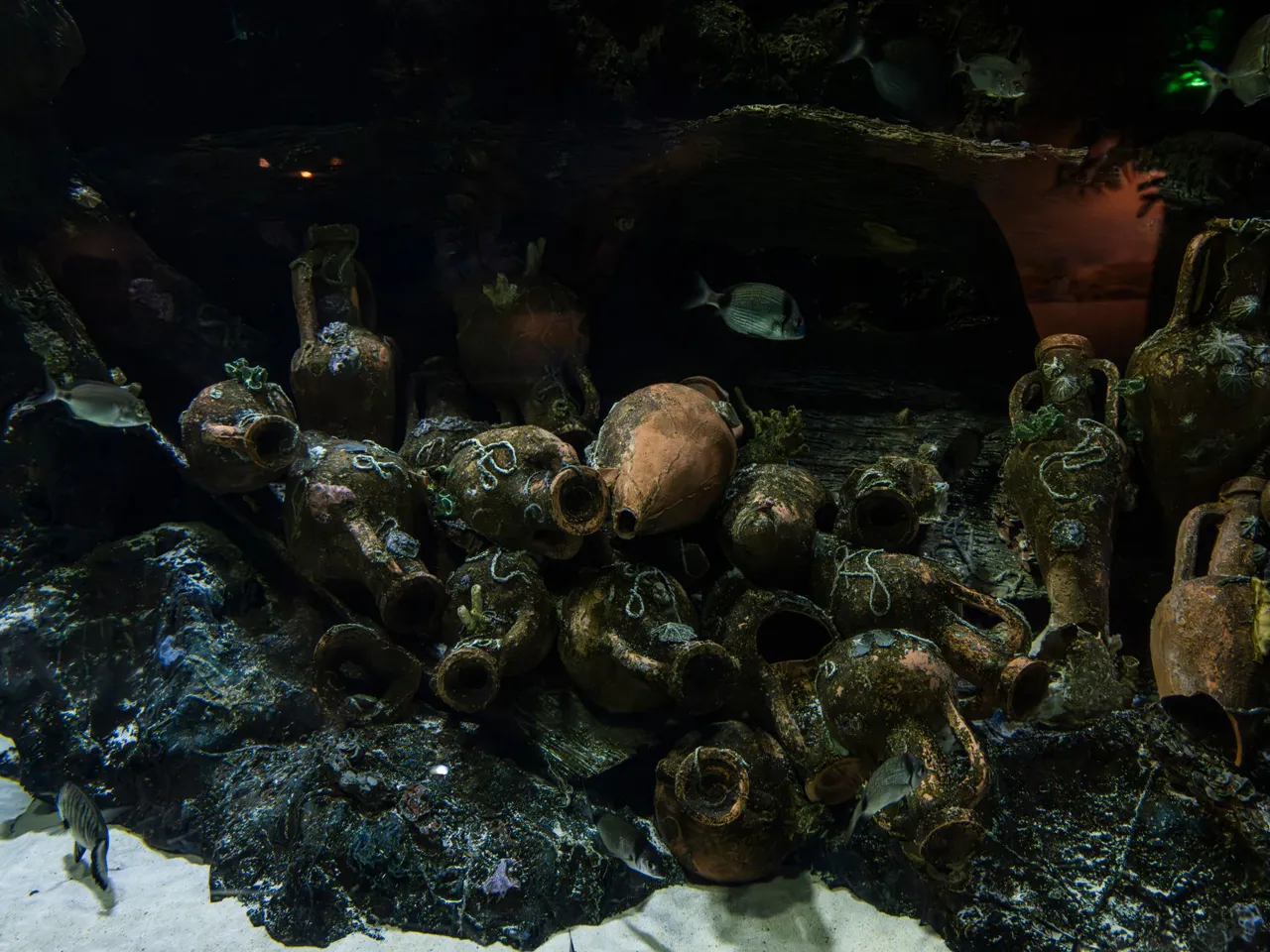
Underwater excavations near Kekova island in Antalya, Turkey, have uncovered clay jars dating back around 4,400–4,700 years. Known as amphorae, these containers are believed to come from an Early Bronze Age shipwreck. Turkey's culture and tourism minister described the discovery as evidence of what may be the world's oldest shipwreck.
Tests on the clay suggest that the jars were probably made in the Jordan Valley. They may have carried olive oil or wine. Similar containers have been found in Egypt, Troy and Crete, suggesting trade and cultural contact between these regions. The discoveries could help researchers understand the history of sea travel and trade in the Eastern Mediterranean.
One jar has two holes in its body and nine separate marks. Early examinations suggest that it may have been used to make cheese or butter by churning milk. This raises the possibility that sailors took goats on long journeys, milked them on board and made their own dairy food. The find therefore offers clues about everyday life at sea, as well as the goods that ships carried.