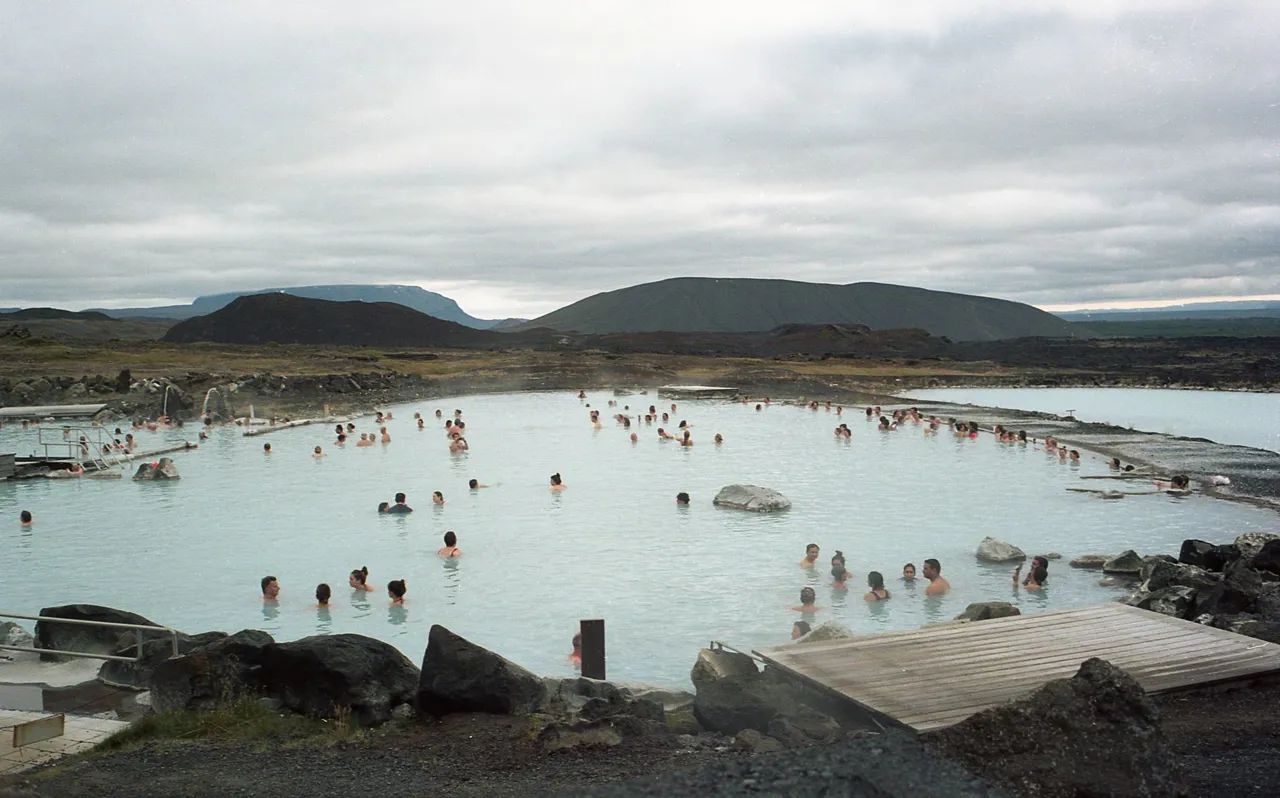
Although fewer tourists venture into North Iceland than the Reykjavík area, the region offers an introduction to bathing as a daily social ritual. Akureyri, with approximately 20,000 inhabitants, provides a practical base about 45 minutes by air from Reykjavík. Sheltered within a valley, it has a milder winter climate than many travellers anticipate.
In December 2025, Iceland’s swimming pool culture was inscribed on UNESCO’s intangible cultural heritage list. Public pools serve as informal gathering places, bringing together residents across generations and backgrounds. Families arrive with children, while teenagers socialise in the warm water, making the pools part of community life rather than merely recreational facilities.
Participation begins with a strict hygiene requirement: bathers must wash thoroughly, without swimwear, in communal showers. Swimming costumes are then worn in mixed-gender pools. Across the fjord from Akureyri, Forest Lagoon combines views over the water with saunas and a cold plunge pool.
Roughly an hour from Akureyri, GeoSea offers pools of varying temperatures overlooking Skjálfandi Bay, where humpback and minke whales surface, particularly in summer. Yet alongside these scenic complexes, ordinary municipal pools demonstrate the tradition’s everyday importance. Business Iceland describes public pools as spaces that encourage equality, informal connection and social cohesion.
The region’s geothermal resources also extend beyond bathing. At Vogafjós Farm Resort, rye bread is baked underground for about a day using geothermal heat. Between soaks, visitors can explore the surrounding region, including Lake Mývatn and the partly frozen Goðafoss waterfall.