Women form the majority of NASA’s newest astronaut class for the first time. The agency selected six women and four men from more than 8,000 applicants. The group is now just beyond the halfway point of its two-year training program.
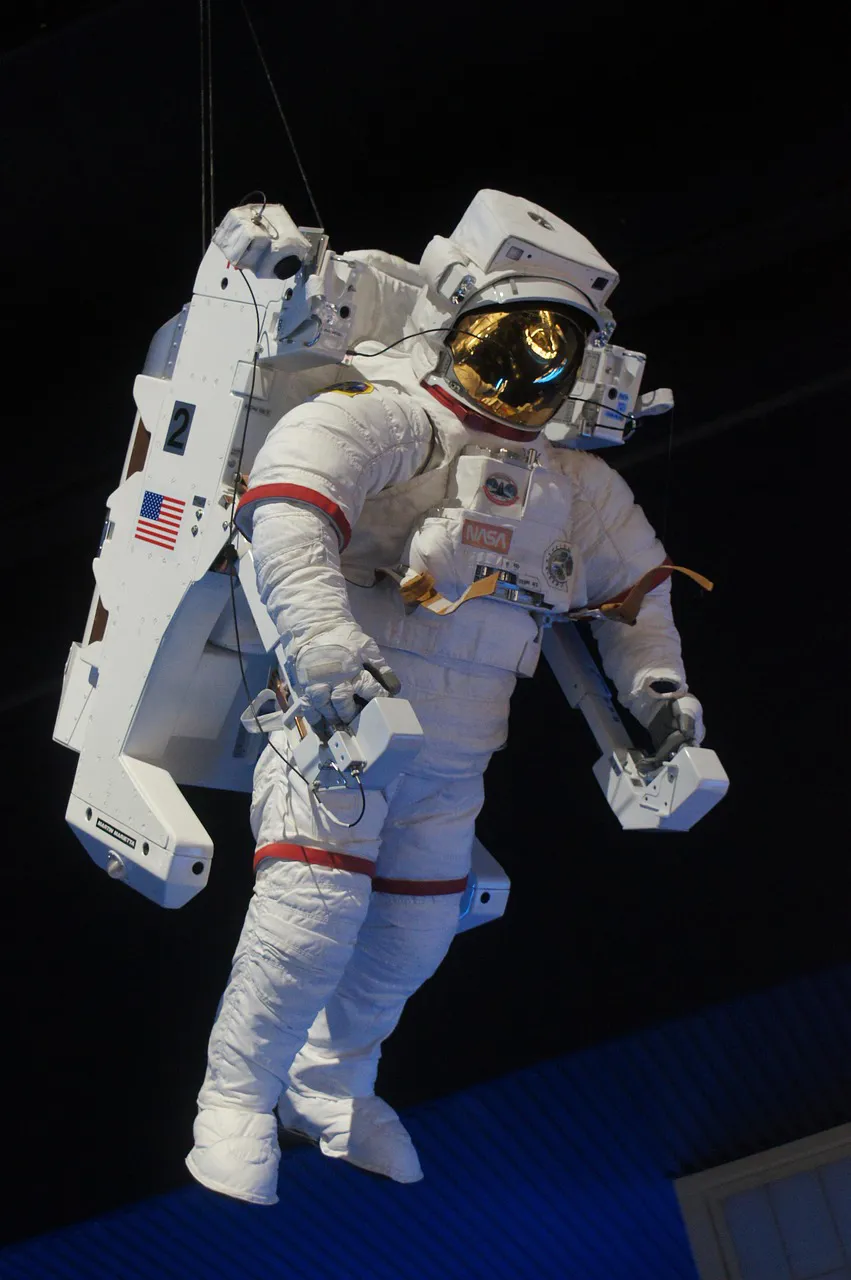
The candidates are developing the skills they need to work in space. Their training includes spacewalks, space station operations, flying jet aircraft, and controlling a robotic arm. Once they qualify, they could receive assignments near Earth or on the Moon, while some may contribute to NASA’s longer-term plans for Mars.
Candidates receive a government salary while they train. NASA listed annual pay for qualified astronauts at about $152,000 in 2024. However, astronauts receive neither overtime pay for additional hours nor hazard pay, which is extra money for dangerous work.
For astronauts aboard the International Space Station, regular pay is based on a 40-hour workweek. NASA provides transportation, accommodation, and meals because they are government employees traveling on official assignments. These arrangements cover their travel and living needs in space, but they do not include extra wages for the risks or additional working hours.