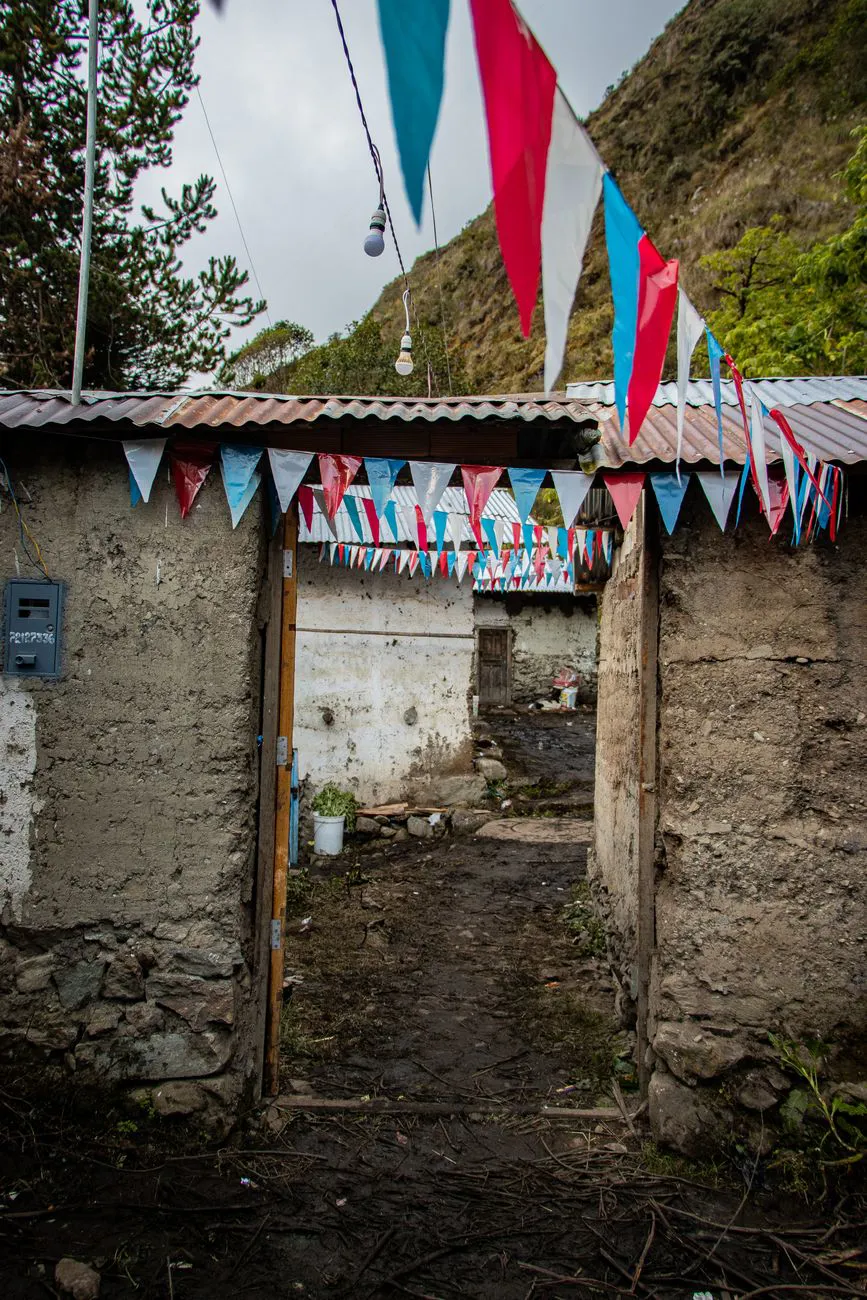
In the Peruvian Andes, a red flag outside a building often means fresh chicha is available. Sellers sometimes use a plastic bag or balloon instead. Once the batch is finished, the flag comes down. Many drinking places operate inside family homes, where visitors gather to drink and socialize.
Corn drinks have been part of Andean life since before the Inca Empire. Chicha accompanies community work and special occasions, as well as religious ceremonies. During the sun festival, people offer it to the sun. Before sharing a drink, they offer the first small amount to the earth as a sign of gratitude and respect.
The most common variety uses sprouted yellow corn. After cooking, the drink ferments for several days, a process that produces alcohol. It generally contains about five percent alcohol and has a slightly sour taste with some fizz. Makers use a shorter fermentation period for ceremonies to lower the alcohol content.
An alcohol-free version uses purple corn boiled with pineapple, cinnamon, cloves, and sugar. Around Cusco and the Sacred Valley, another variety includes strawberries. In Lima, bars use the purple corn drink in cocktails, while vendors at the Pueblo Libre market sell homemade versions of both the yellow and purple corn drinks.