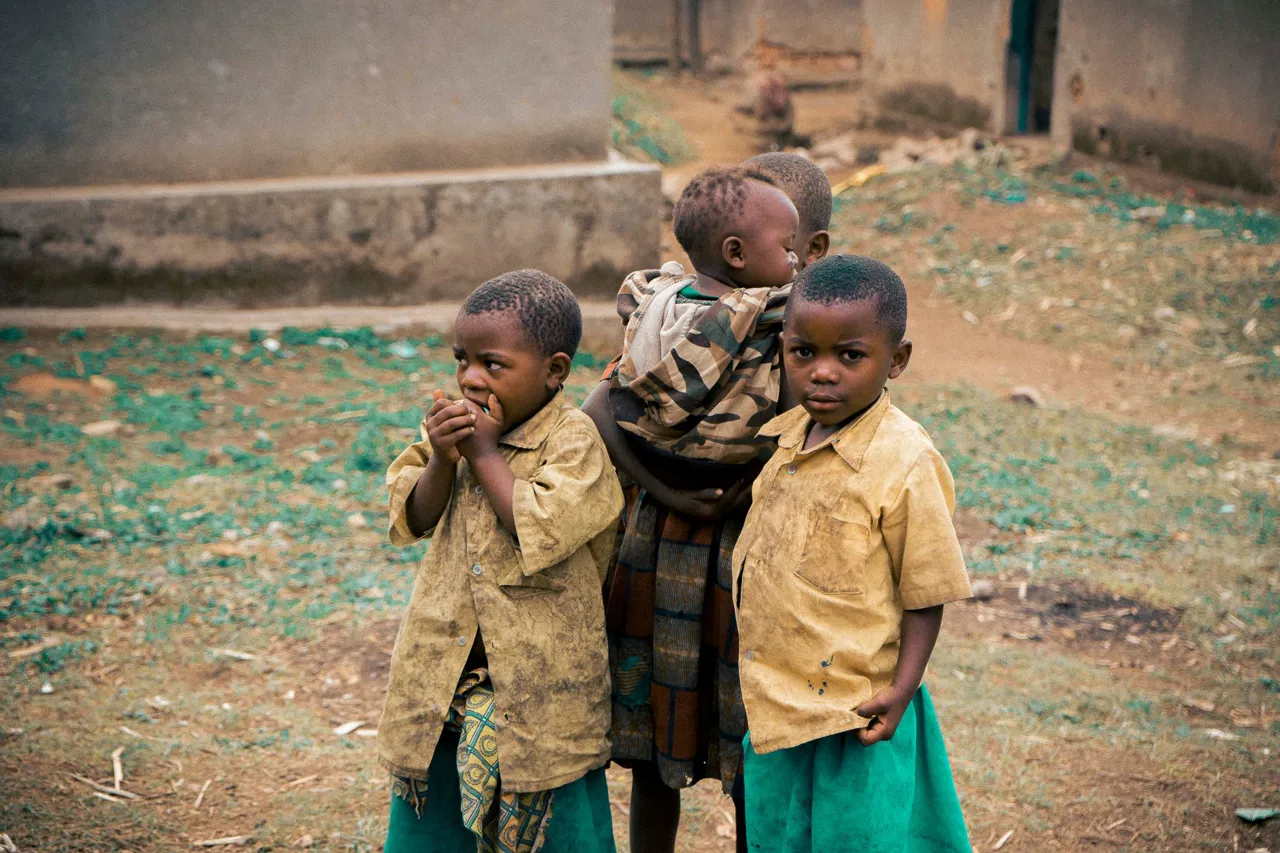
The 2026 global Multidimensional Poverty Index, published by the United Nations Development Programme and Oxford University, counts 1.2 billion people experiencing overlapping deprivations—51.5 million more than in the 2025 update. Children account for 617 million of the total, while 83 per cent live in rural areas. Covering 108 countries representing approximately 78 per cent of the world’s population, the index assesses health, education and living standards rather than income alone. Developed in 2010, it uses ten indicators, including nutrition, schooling and access to basic services; deprivation in at least one-third qualifies a person as multidimensionally poor.
Population growth outpacing improvements in living standards partly explains the increase. In 95 countries without new survey data, revised population estimates added nearly 16 million to the count. The remaining increase came from 13 countries with updated surveys, reflecting changes in poverty incidence, demographics and indicator coverage. Although Egypt, Nepal, Tajikistan, Angola and Zambia reduced the proportion experiencing multidimensional poverty, population growth meant that absolute numbers nevertheless rose in Angola and Zambia. Nigeria, meanwhile, recorded increases in both the poverty rate and the number affected, reversing significant progress achieved during the 2010s.
UNDP Administrator Alexander De Croo urged international action, emphasising how hunger, missed schooling and inadequate access to water or electricity reinforce one another. Yet the authors consider the international commitment to halve the proportion living in poverty before the decade ends achievable. UNDP reports that 33 countries, including six in sub-Saharan Africa, have halved their index value in fewer than 15 years. Such achievements demonstrate that progress remains possible, despite the uneven results.