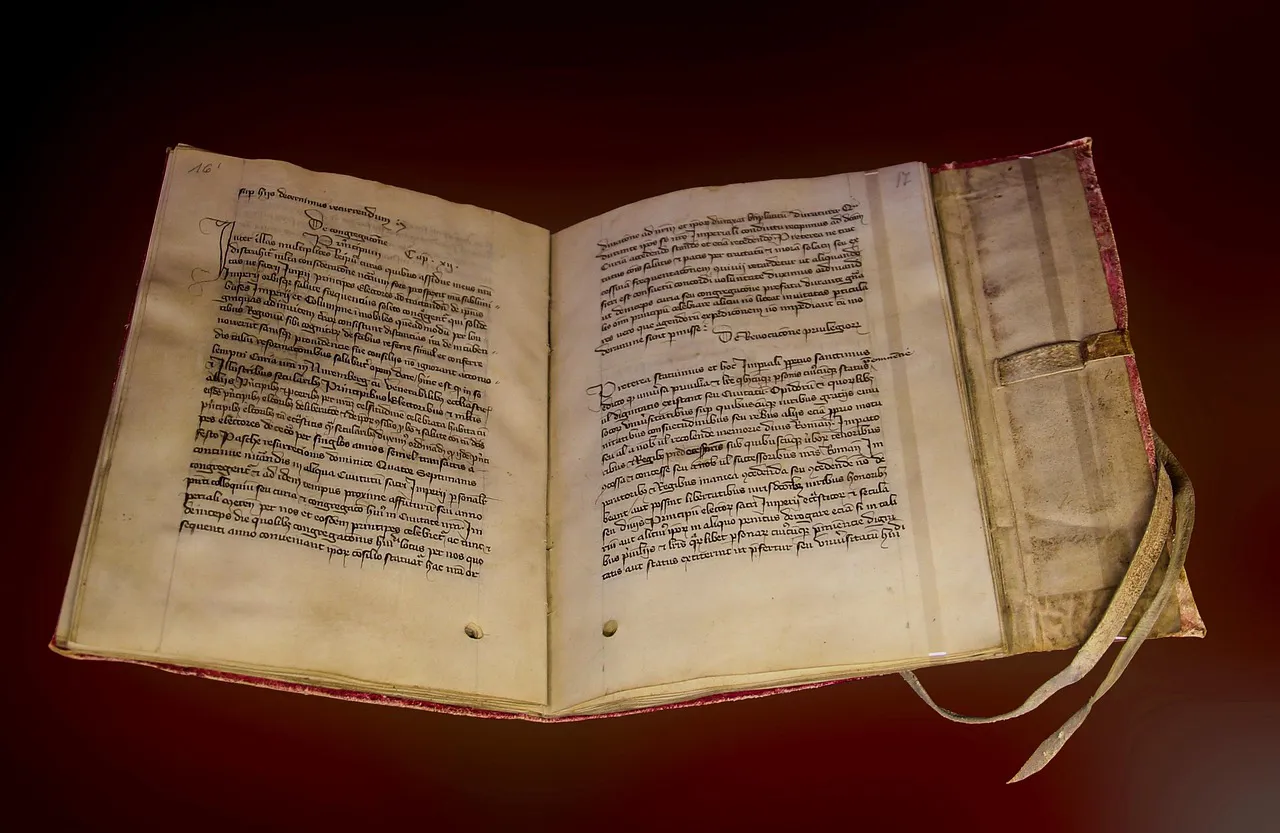
The Voynich manuscript has puzzled experts for more than a century, but a new study suggests that part of the difficulty may come from its page order. The handwritten book contains 240 pages of unfamiliar writing and illustrations of people, plants and astrological symbols. Its parchment, a material made from animal skin, dates from the early 15th century. The text remains unread.
Researchers Lisa Fagin Davis and Colin Layfield propose that the manuscript originally consisted of separate folded sheets, rather than a bound book. Davis noticed unexpected changes in handwriting and pictures that continue across pages now separated by other pages. Layfield used latent semantic analysis, a computer technique that finds patterns in text, to compare sections of the writing. Similarities between some pages, and differences between others, supported the proposed explanation: someone may have assembled the sheets incorrectly without understanding their contents.
The findings appeared in Digital Medievalist on 19 October. Although they do not provide a translation, they suggest that earlier research based on the current page order may need another look. Davis and Layfield are also considering comparisons of water stains on the pages. Matching their shapes could help establish the original arrangement.