

Sony has filed a patent for a new PlayStation controller with changing button feel. According to the idea, the buttons could become harder or easier to press depending on what is happening in the game. The system uses magnets to adjust the resistance, and it is meant to make actions in the game feel more physical for the player. The patent also suggests that the buttons could partly hold the player’s finger before becoming firm. Sony has not confirmed that this will become a finished product, and it is not clear whether it will appear in a future controller.
technologyIntermediate1 min read6/18/2026
Sony patent points to a controller with changing button feel
Sony has filed a patent for a new PlayStation controller that could change button resistance during play. The idea uses magnets and is meant to make game actions feel more physical. It is still only a patent, so there is no firm promise of a real product yet.

More stories to read
 technology2 min read10/27/2026
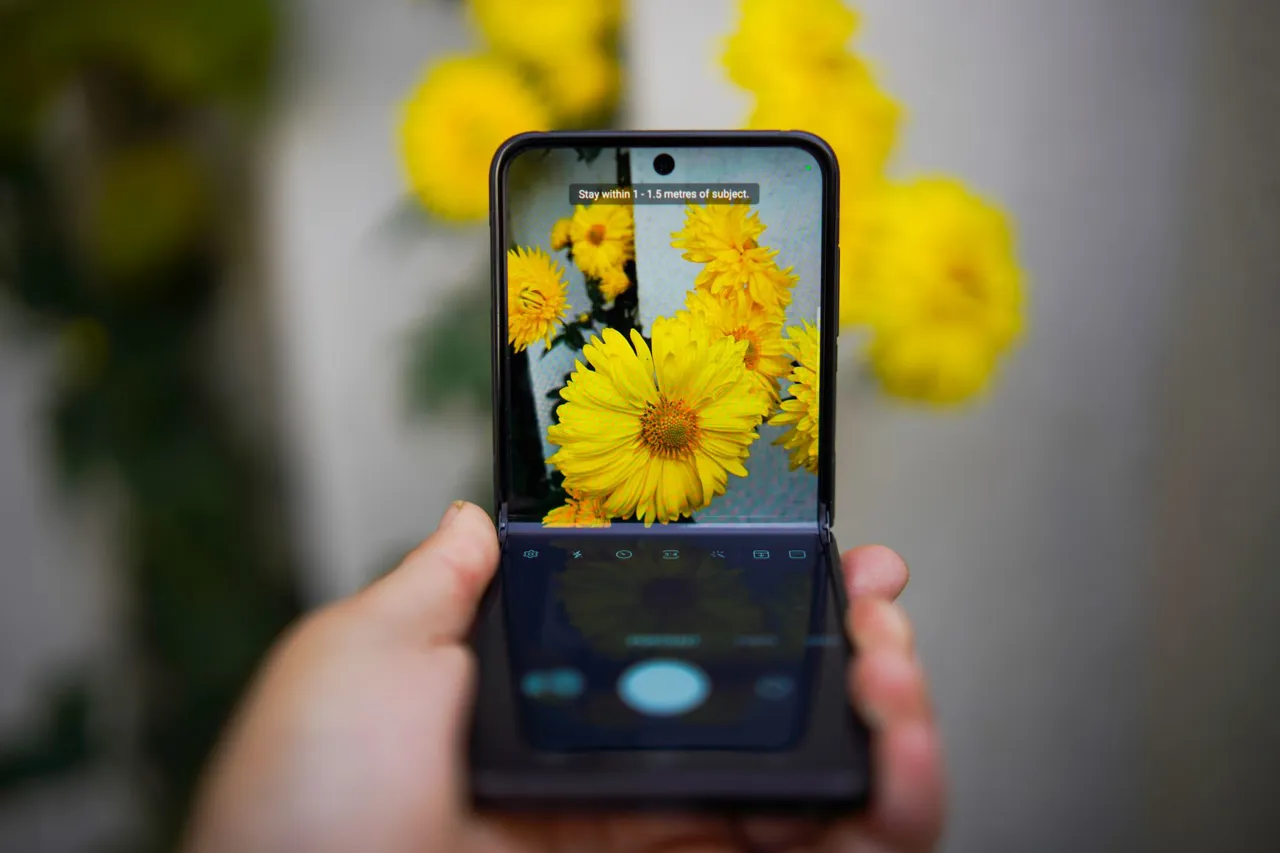
Apple acknowledges iPhone Duo screen fault and offers replacements
Apple has confirmed an inner-screen problem affecting a small number of iPhone Duos. Owners can request replacements through AppleCare, while iFixit suspects the folding mechanism.
 technology2 min read10/26/2026
Android’s automatic phone number linking affects every account
A default Android setting links phone numbers to personal and work Google accounts. Turning it off stops future linking, but existing numbers need to be removed manually.
 ai2 min read10/23/2026
Serious PHP flaws lead to emergency updates and website closures
AI-assisted research uncovered two serious weaknesses in PHP, which helps run around 70% of websites. Governments and online services temporarily took systems offline to install updates.
 technology2 min read10/22/2026
BETA receives approval for electric aircraft demonstration flights
US officials have allowed BETA to carry potential customers on demonstration flights. The approval expands testing opportunities but does not permit regular commercial services.
 technology2 min read10/21/2026
Meta’s Petal cable aims to double undersea data capacity
The planned cable will connect the US and France in 2029, using two light-carrying paths inside each glass fibre to increase capacity.