

Sleep and regular exercise may blunt the impact of some DNA mutations that raise cardiovascular risk, according to work reported in Nature. The study focused on clonal haematopoiesis, or CH, in which certain gene variants accumulate in blood stem cells and immune cells over time. These mutations can intensify inflammation and promote atherosclerosis, independently of traditional risk factors such as smoking, diabetes or high cholesterol. Previous work had already linked CH to blood cancer risk, but it also turned out to be associated with a 30 to 40 per cent higher death rate, largely because of fatal heart attacks and strokes. In the new study, analysis of genetic data and physical activity levels from more than 91,000 adults in the UK and the US found a 13 per cent drop in the proportion carrying certain CH mutations among those with moderate to vigorous activity. Mouse experiments were more striking: animals engineered with CH mutations and fed a high-cholesterol diet developed smaller plaques when they used an exercise wheel, whereas sleep disruption had the opposite effect. However, the benefit was not universal, because the response varied across the four gene variants studied. As one researcher noted, the findings suggest that behaviour can influence how harmful some mutations become, even though the genes themselves cannot be removed.
Sleep and exercise may weaken some genetic risks for heart disease
Researchers found that sleep and exercise may reduce the harm caused by certain clonal haematopoiesis mutations, which are linked to inflammation, atherosclerosis, heart attack and stroke.

More stories to read
 health2 min read10/27/2026
Unknown mushroom compound may explain visions of miniature humans
Genetic analysis has linked reports of miniature human hallucinations in China and the Philippines to one mushroom species. Researchers now aim to isolate the suspected compound, which could offer insights into visual perception.
 health2 min read10/27/2026
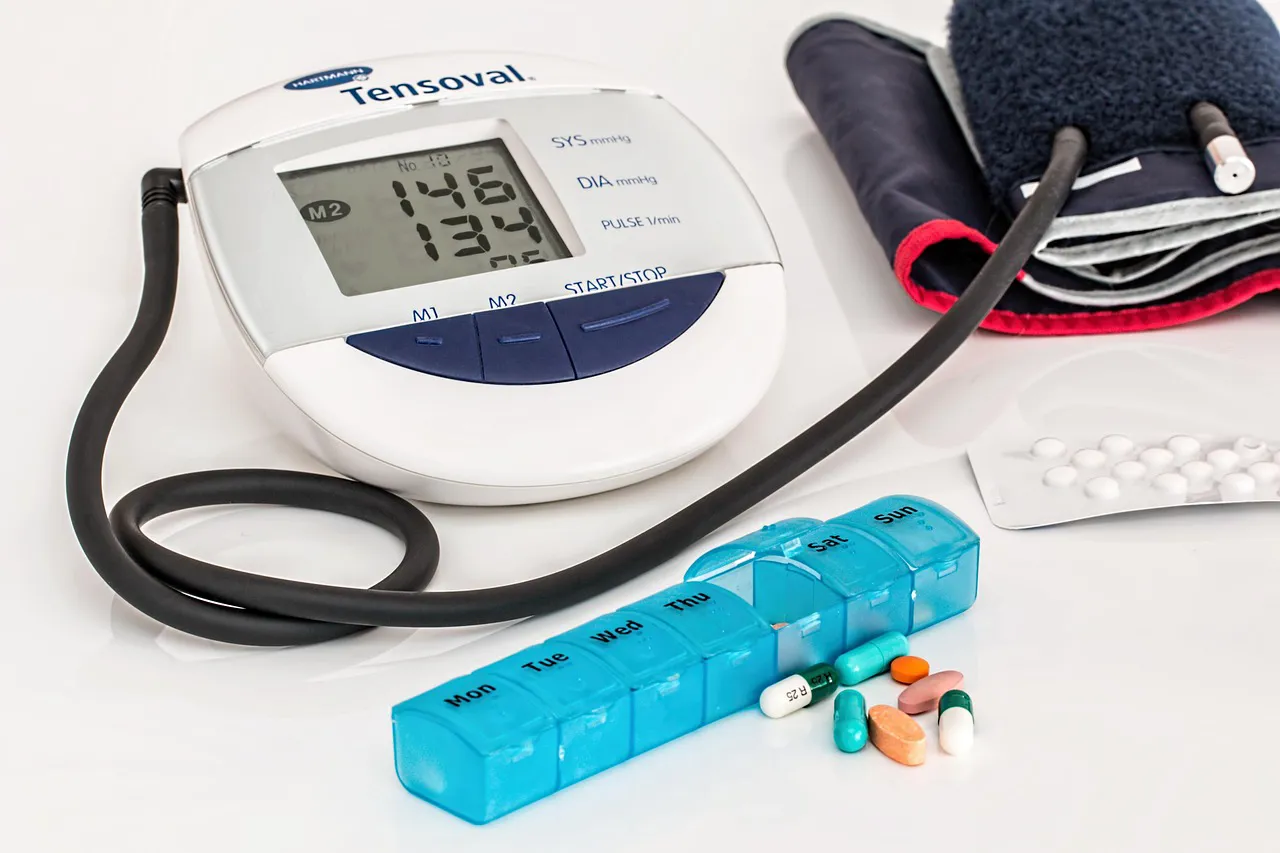
Inconsistent blood pressure medication use linked to weaker cardiovascular protection
An analysis of 91,339 trial participants associated higher medication adherence with greater blood pressure reductions and fewer major cardiovascular events.
 health2 min read10/26/2026
Alcohol study challenges assumptions about moderate drinking
An analysis estimates substantial lifetime mortality risks at two alcoholic drinks a day and finds no significant overall protective effect, despite potential benefits for certain cardiovascular conditions.
 health2 min read10/25/2026
Antibody profiles reveal immune changes a decade before bowel disease diagnosis
Distinct antibody signatures preceded inflammatory bowel disease diagnosis by up to 10 years, offering a potential route to earlier risk assessment and prediction of complicated Crohn's disease.
 health2 min read10/24/2026
Higher brain DHA levels fail to deliver cognitive benefits in fish oil trial
Despite raising DHA levels in fluid surrounding the brain and spinal cord, high-dose fish oil supplements offered no measurable cognitive advantage or protection against hippocampal shrinkage in a two-year trial.