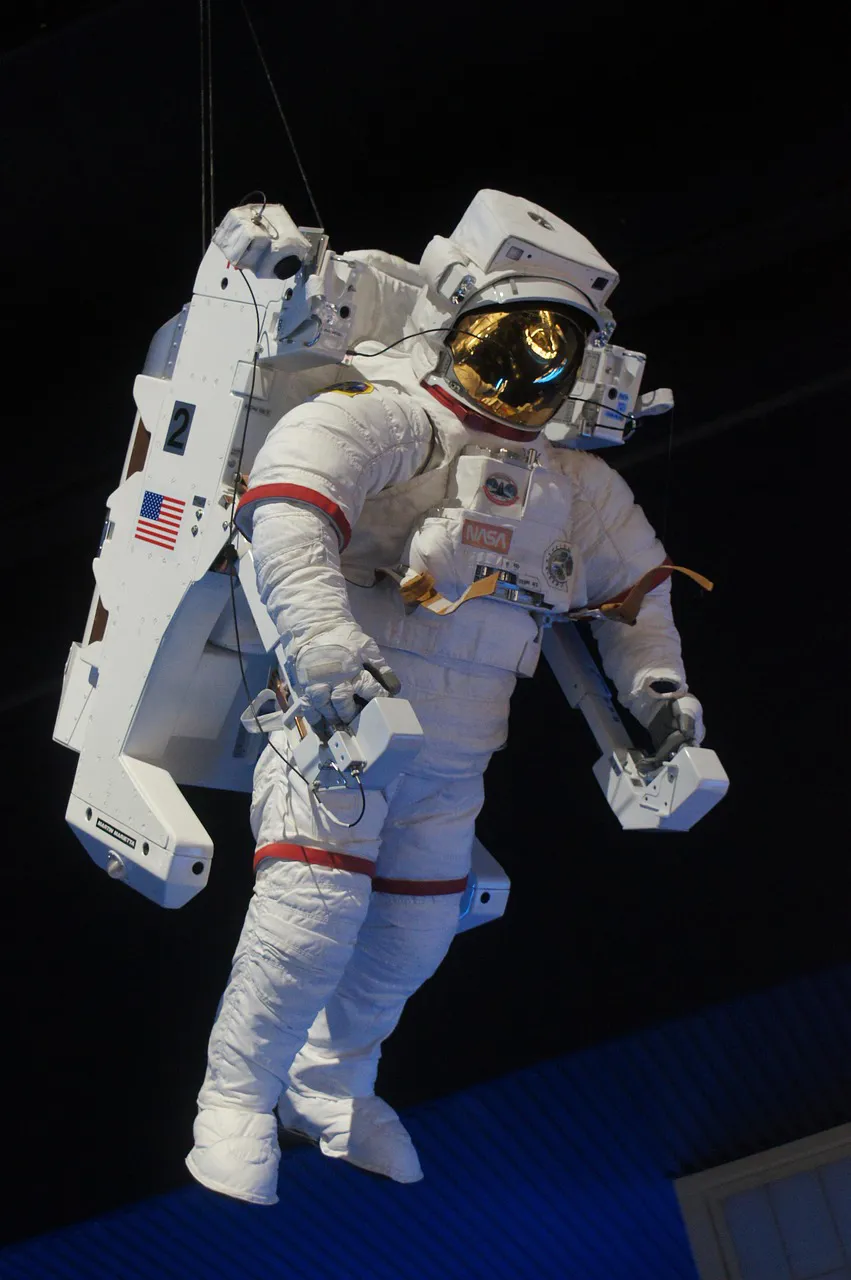
Women form the majority of NASA’s newest astronaut class for the first time, accounting for six of its 10 candidates. Selected from more than 8,000 applicants, the group is now just beyond the halfway stage of a two-year training programme.
The candidates are developing core operational skills, from spacewalking and running the space station to flying jet aircraft and controlling a robotic arm. Once qualified, they could be assigned to missions in low Earth orbit or to the Moon, while some may contribute to NASA’s longer-term ambitions for Mars.
Candidates receive a government salary during training, and NASA’s published figure for qualified astronauts was approximately $152,000 annually as of 2024. The role carries neither overtime nor hazard pay, despite the demands and risks associated with spaceflight.
Aboard the International Space Station, astronauts retain their regular salaries based on a 40-hour working week. Because they are federal employees travelling on official business, their transport, accommodation and meals are provided. That arrangement does not bring additional compensation for longer hours or hazardous duties.
Entry requirements include US citizenship, advanced scientific or technical qualifications, relevant professional experience or sufficient hours commanding jet aircraft, and passing NASA’s medical examination for long-duration spaceflight. A master’s degree is the standard academic requirement, although specified alternatives are accepted. Neither military service nor flying experience is compulsory, and there is no age limit; the average candidate is 34.