

In 2010, Viktor Orbán’s government began one of the most ambitious pronatalist programmes in Europe, offering tax breaks, interest-free loans, mortgage subsidies and other benefits to married heterosexual couples in the formal labour market who promised to have children. The policy package was presented as a way to counter population decline in a country where fertility was below replacement level and migration patterns also weighed on demographics. For a time, the numbers improved: Hungary’s fertility rate rose from 1.25 in 2010 to 1.59 in 2020. But the trend did not last, and by 2025 it had fallen to 1.31. Critics argue that the scheme mainly brought births forward rather than creating many additional ones, while supporters say it at least softened the decline. The debate now centres on whether family policy should focus more on cash, childcare, education and healthcare, or on wider cultural change, including the sharing of work and care between men and women.
Hungary’s attempt to raise births shows the limits of financial incentives
Hungary spent heavily on family support to encourage childbearing, but the birth rate rose only briefly before falling back. The case has become part of a wider debate about whether cash, services or culture matter most when countries try to increase fertility.

More stories to read
 ai2 min read10/27/2026
Dutch cabinet targets 16 per cent workforce reduction in AI efficiency drive
The Netherlands plans to eliminate 25,000 full-time government jobs by 2035 as part of a cost-cutting programme that includes broader AI deployment. Police and defence are exempt.
 ai2 min read10/26/2026
US Treasury proposes broader restrictions on outbound technology investment
The Treasury’s draft would expand restrictions on American investment in sensitive technologies across several countries, including China and Russia. Deals exceeding $50,000 would fall within its scope, although many financial investments would remain exempt.
 world-news2 min read10/25/2026
Foreign interference claims outpace evidence in European unrest
European officials disagree over the role of foreign powers in recent unrest, while the Commission distinguishes between instigating violence and exploiting it through disinformation.
 world-news2 min read10/24/2026
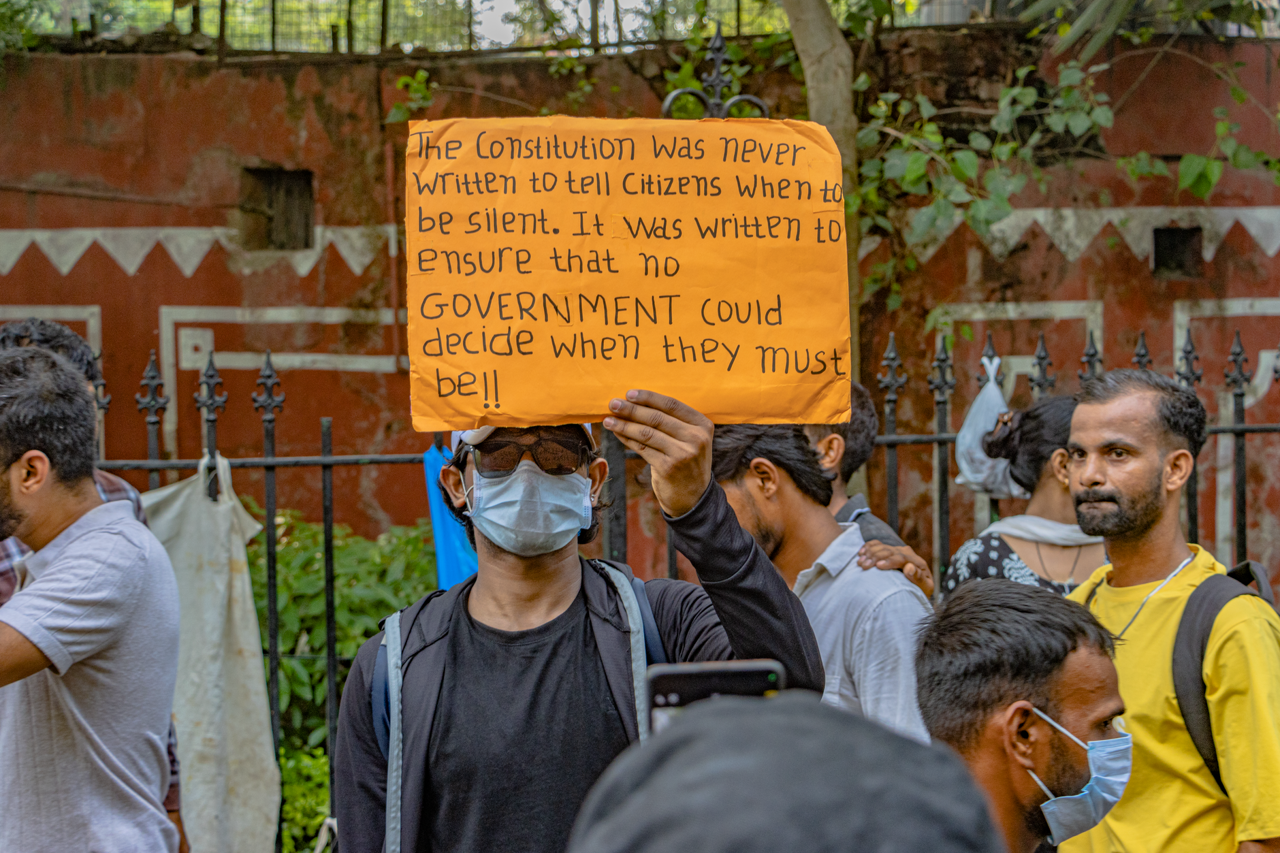
India’s CJP confronts government over disputed voter-list removals
The youth-led movement has shifted from protests over medical entrance exams to a confrontation over electoral participation, demanding an independent inquiry and the restoration of previous voter lists.
 world-news2 min read10/23/2026
Disagreement over permanent time stalls EU clock-change reform
EU member states remain divided over permanent summer or winter time, leaving a widely supported proposal to abolish seasonal clock changes on hold.