China is giving qualifying sodium-ion batteries a temporary tax advantage over lithium-ion alternatives. A 2% consumption tax on specified lithium-ion batteries began in September 2026 and will rise to 4% in September 2027. Sodium-ion batteries that meet national standards are exempt until the end of 2028.
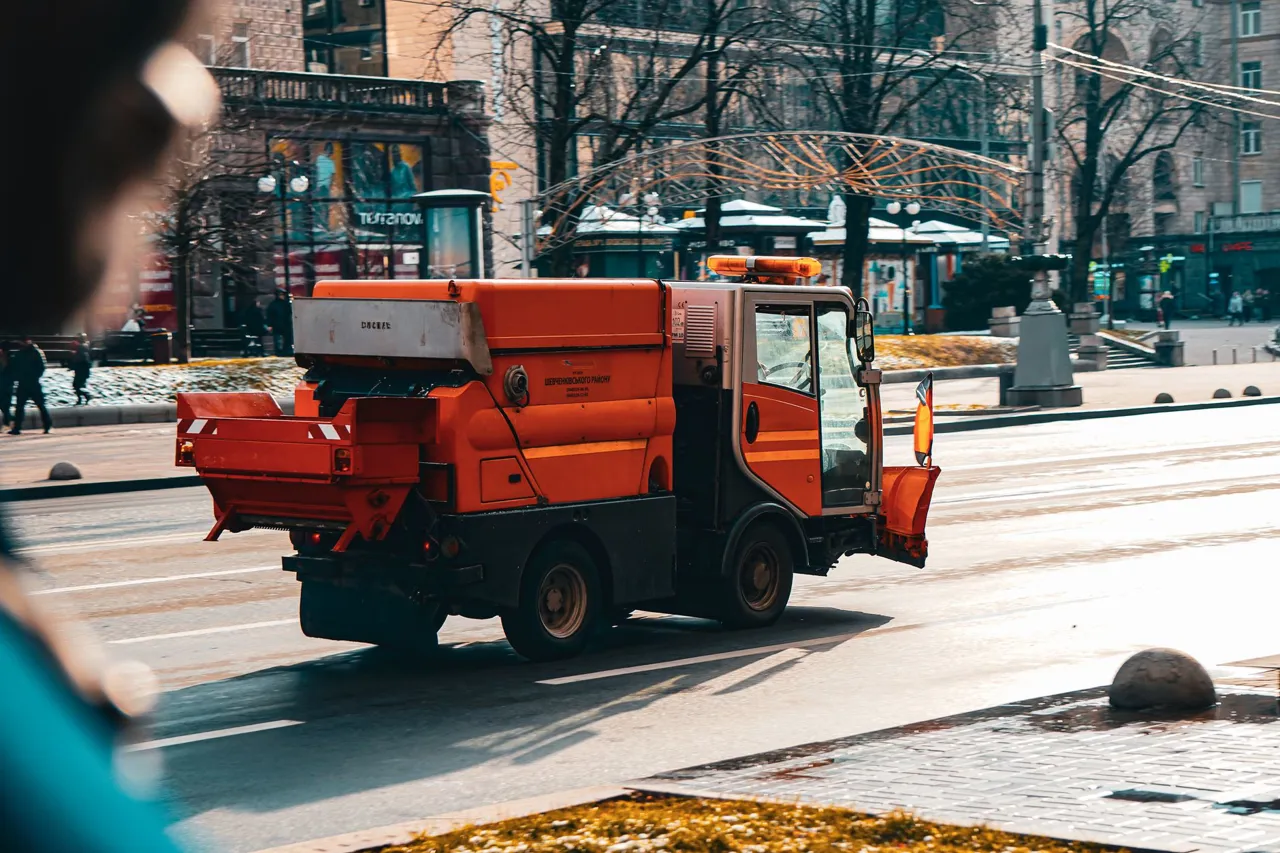
Hina Battery plans to build a sodium-ion battery factory in Wuhan. Construction is scheduled to begin in early 2027, with production targeted before the end of that year. The company has also agreed to work with Chengli Special Automobile Group on electric cleaning vehicles, including rubbish collection and food-waste trucks.
Sodium is available across more geographical areas than lithium, which could give manufacturers a wider choice of material suppliers. Sodium-ion batteries may also perform better in extreme cold. FAW Jiefang reported that a battery in one of its electric heavy trucks kept more than 90% of its usable energy capacity during testing at minus 40 degrees Fahrenheit.
However, sodium-ion batteries store less energy for their weight, so vehicles may need larger or heavier battery packs. Falling lithium prices have also narrowed the cost difference between the technologies. Although the tax exemption could help sodium-ion manufacturers, it does not automatically make their batteries cheaper to produce.