Google DeepMind introduced Genie 4 on Tuesday, releasing its latest world model as a research preview for trusted testers. Rather than generating a fixed video, the system constructs an interactive environment as users navigate it. Google says the update delivers more realistic characters and physics, plus generated music, ambient sound and dialogue.
Users can alter a running simulation through natural-language instructions, changing the weather or camera angle and introducing people or objects without restarting. Gemini 3.8 Flash helps steer the process by planning steps and evaluating generated frames. Genie 4 can maintain scene consistency for approximately two minutes, double Genie 3’s limit.
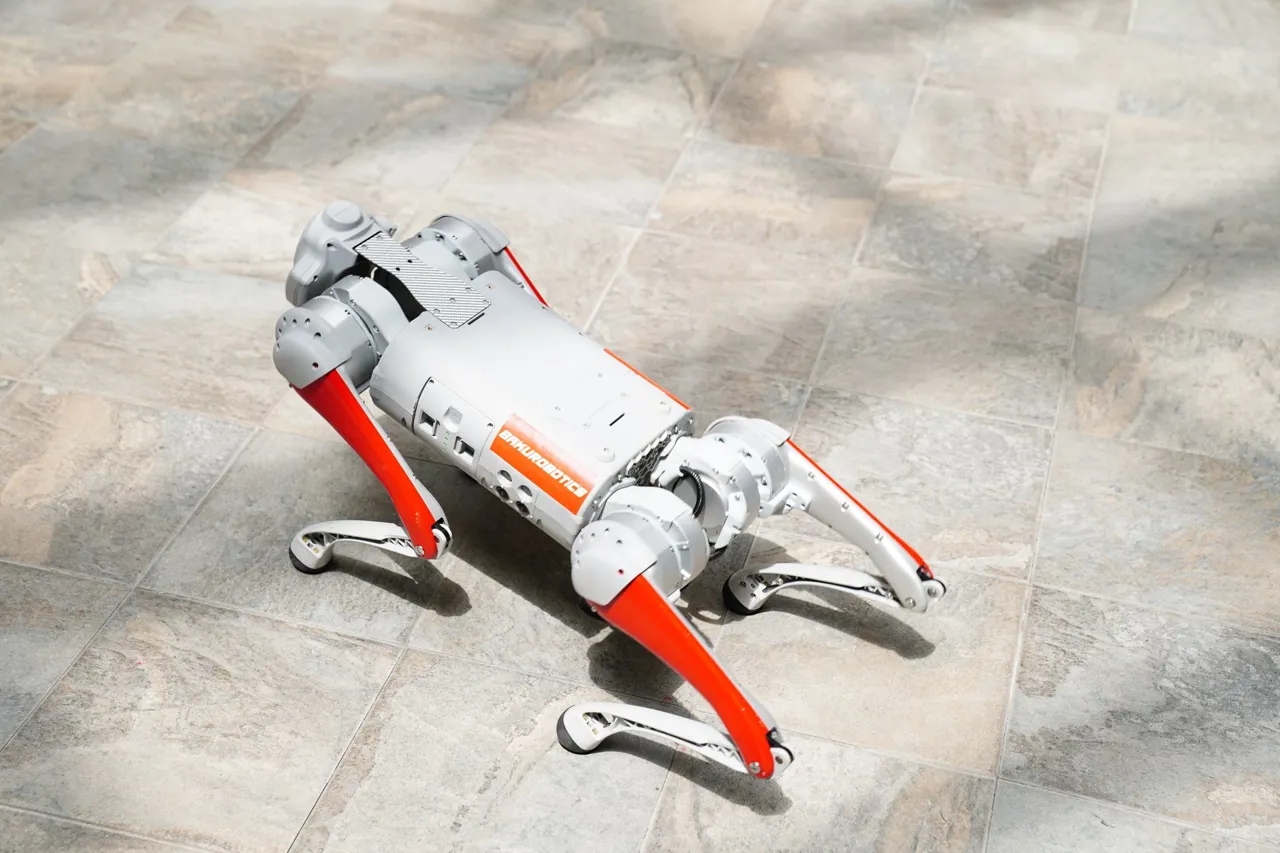
Google is positioning the technology for film pre-visualisation, game prototyping and robot-training scenarios. In an experiment connected to Gemini Robotics, Gemini 4 Argon planned moves for Apptronik’s Apollo humanoid robot in a game of draughts, while Genie 4 simulated the results. The approach illustrates how robot tasks might be explored virtually before being attempted in the physical world.
Reliability remains a constraint, however: objects may drift or behave unpredictably as simulations continue, and the physics is not always accurate. Google also acknowledges unresolved difficulties with audio accuracy and the legibility of text within generated environments. Such inconsistencies complicate evaluations of AI systems, because an unsuccessful task may reflect weaknesses in either the system being tested or its simulated surroundings.
Access is initially limited to trusted testers. Google plans to extend availability in the coming weeks to Google AI Ultra subscribers through Project Genie, and to selected early partners through the Gemini API and Google AI Studio.