Scientists at the University of Cambridge have developed and tested in humans what is described as the world’s first vaccine designed by artificial intelligence. The project marks an early step in the use of predictive design for vaccines, rather than the older approach of responding to a current strain after it appears.
The vaccine is aimed at the sarbecovirus family, which includes SARS and SARS-CoV-2. To create it, researchers used AI and computational biology to compare related coronaviruses, identify conserved parts of the spike receptor-binding domain, and design a synthetic antigen intended to direct immune responses towards shared viral features. The vaccine is also needle-free, using a specialised jet injector system.
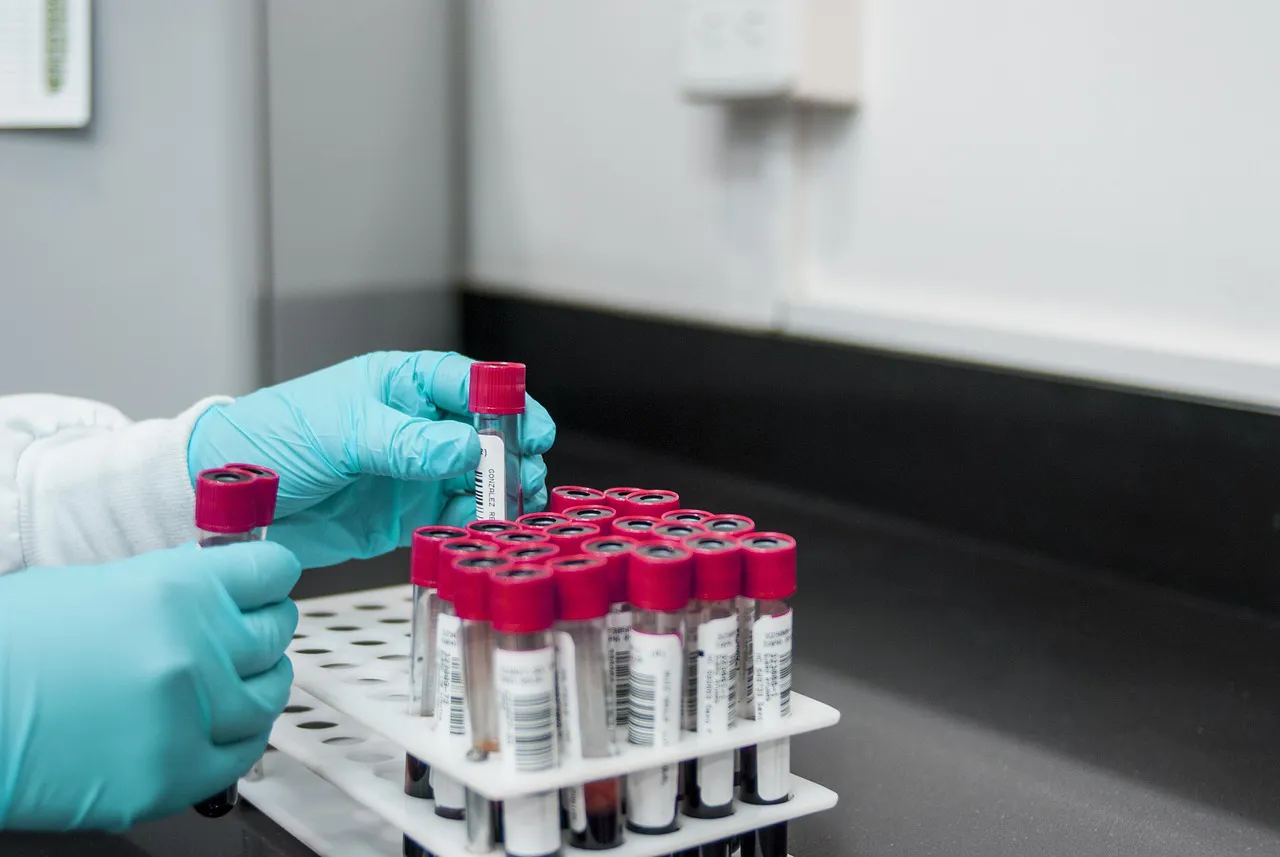
The initial human trial enrolled 39 people and was meant to assess safety and tolerability. Scientists reported a modest immune response, and a second trial involving 200 participants is now under way to measure effectiveness. Experts quoted in the article said much larger studies will be needed before the vaccine can be judged safe and effective for wider use.
The same AI approach is also being applied to work on universal vaccines for influenza and Ebola. The article notes that the intellectual property is owned by DIOSynVax Ltd, the University of Regensburg, and Cambridge Enterprise Ltd.