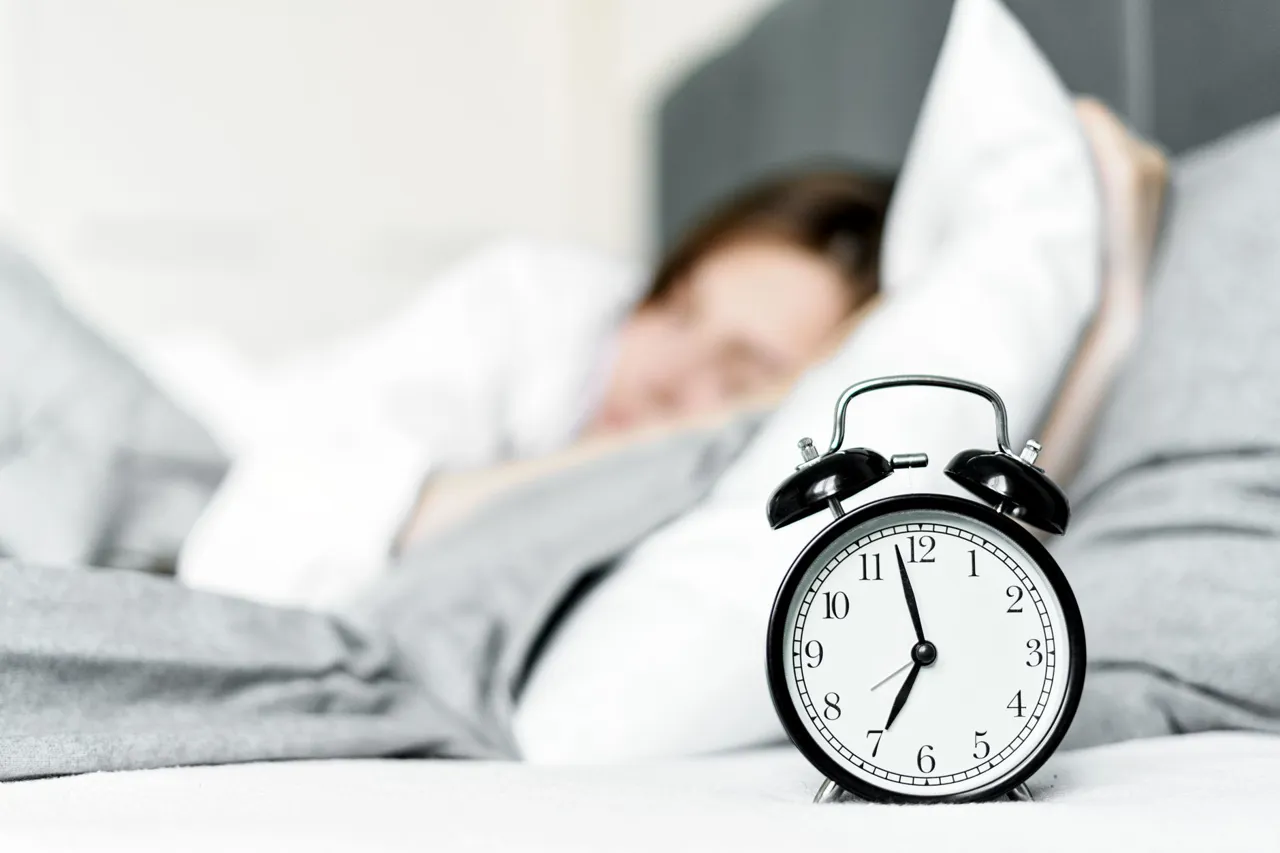
Our bodies have an inner clock. It helps control when we sleep and wake. Researchers at the University of Sydney think this clock may play a part in one form of depression. They studied information from 11,380 adults in Australia. They found that 2,604 people, or about one in four, fitted this possible form.
People in this group had at least three of six signs. Their mood changed with the seasons. They slept at late hours or preferred the evening. They had different sleep times on workdays and free days. They slept for a long time or felt very tired after waking. On average, their depression started at about 19. For the other people, it started at about 23. The group also reported less help from common depression medicines and more unwanted effects.
The researchers think treatment with bright light or melatonin may help. Melatonin is a substance in the body that helps control sleep. But scientists still need to test these treatments for this group. People described their own sleep. These answers alone cannot show that their body clocks work differently. This possible form of depression is not yet an accepted medical category.