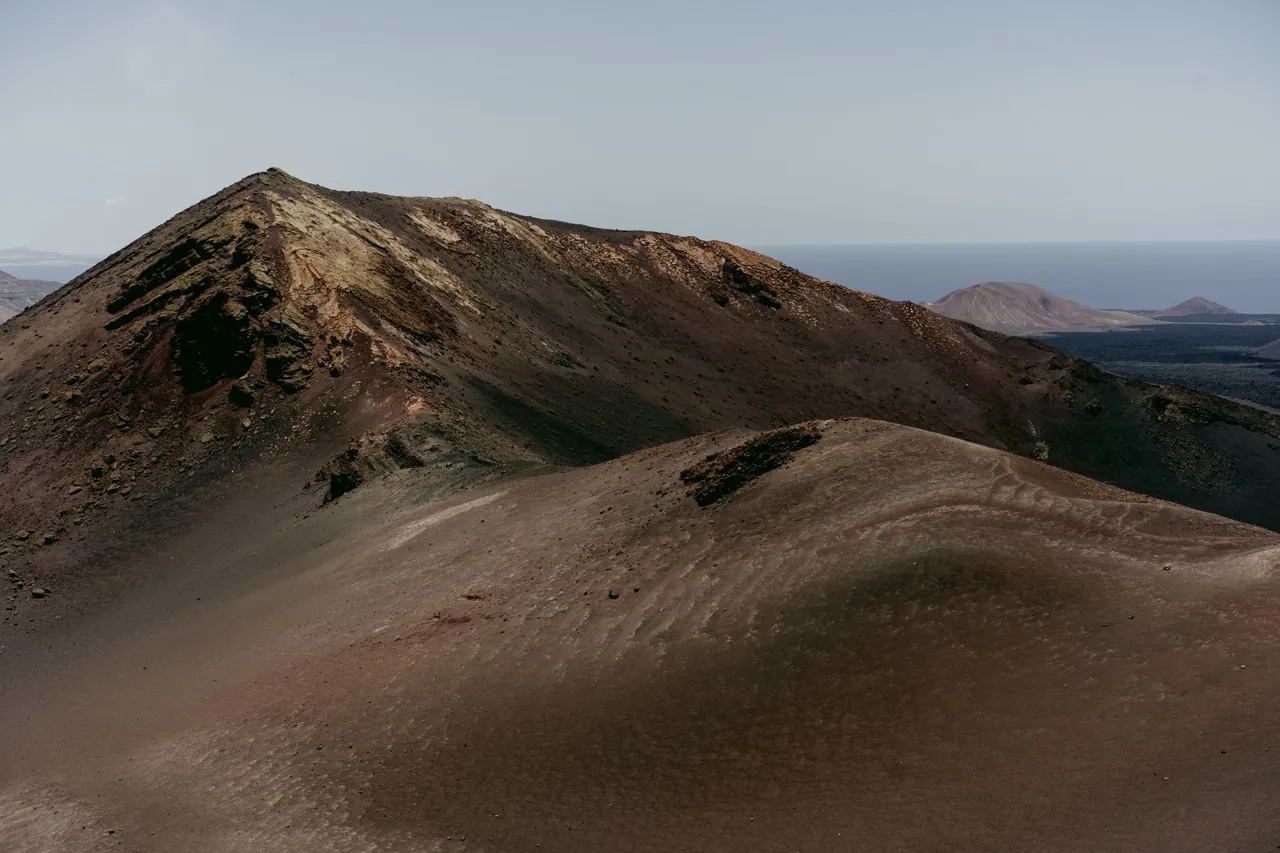
A huge volcanic eruption near Japan about 7,300 years ago did not affect every community in the same way, according to new research. The Kikai-Akahoya eruption brought powerful earthquakes, enormous waves and thick layers of ash. Japan’s Jomon communities, which lived by hunting and gathering wild food, suffered major loss of life.
An international team led by Lund University studied 540 radiocarbon dates, measurements used to estimate the age of archaeological material. They then used statistical models to examine population changes. Southern Kyushu’s population was already falling before the eruption, and the disaster made this decline worse. In contrast, northern coastal populations continued growing. Survivors may have moved north from badly damaged areas, finding food along coasts where sea life recovered relatively quickly.
Some distant communities also stopped growing or declined after the eruption. Possible explanations include changes in climate, damage to food supplies and effects on health. Rather than showing complete destruction everywhere, the findings suggest that some communities adapted, built new relationships and developed different ways to support themselves.