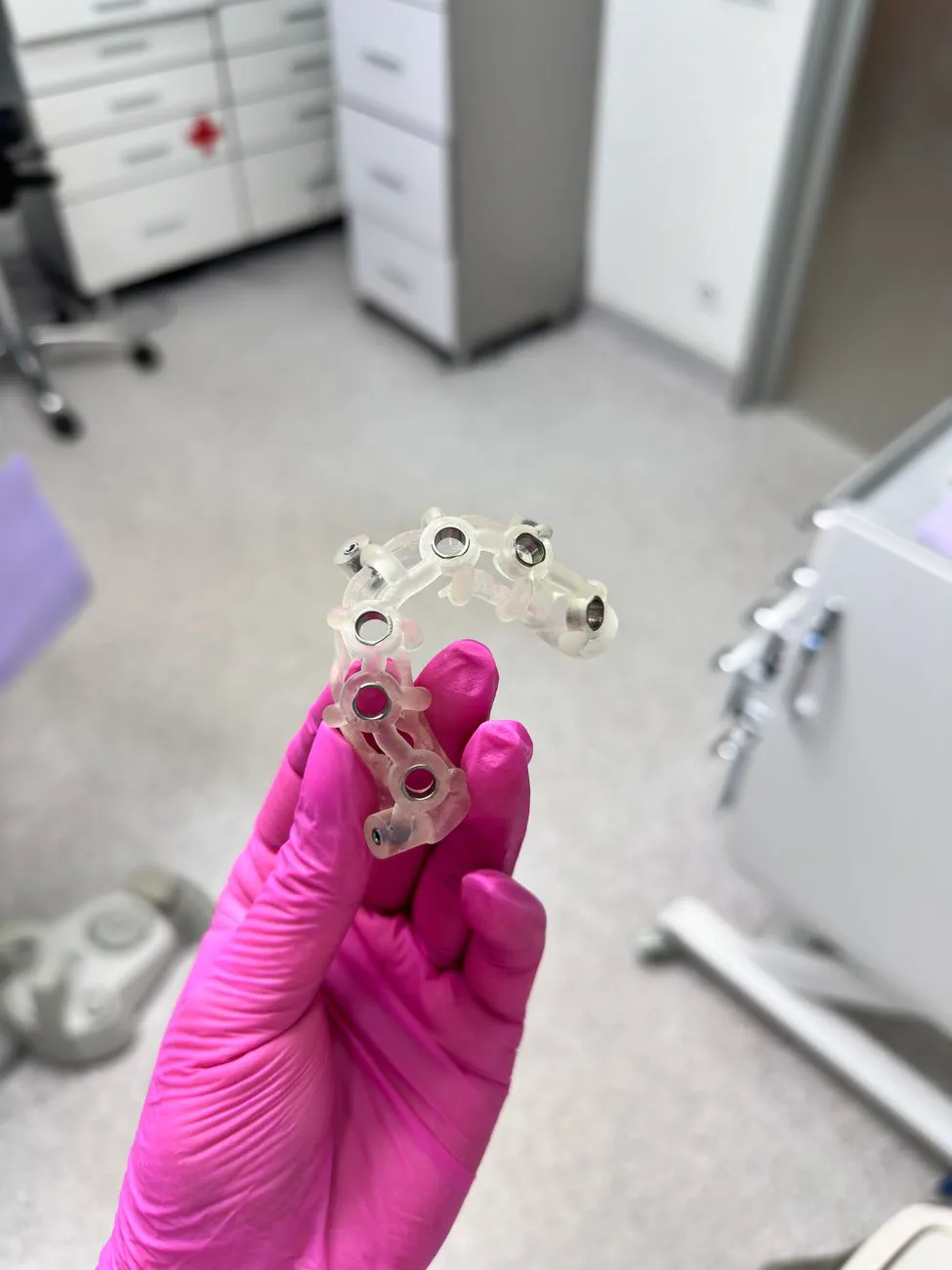
Researchers at MIT and Tianjin University in China have developed X-Hinges, design software for 3D-printed objects that sense movement and respond to human interaction. Users connect shapes and select up to three axes, or directions, of movement. The software places sensors at bending points and builds electrical pathways into the design. Sensors turn physical changes into electrical signals, while the pathways carry those signals to electronics for processing. Using different materials for these two jobs reduces interference and improves accuracy.
The team demonstrated a glove that fits different hand sizes and sends finger movements to a robotic hand. It could help robots learn how to grasp objects from human demonstrations. Other prototypes include a folding lamp that adjusts its brightness when pinched closed, and a touch-sensing device that recognises objects such as a banana. A shark-shaped video game controller also shows how users can create custom designs: its tail moves up and down like a joystick.
However, small differences during printing can cause apparently identical objects to produce different readings. The researchers developed a computer vision system, which uses images, to adjust the sensor readings and make them more consistent. They hope to integrate this adjustment into future versions. Their longer-term goal is to combine sensing and physical movement within a single printing process.