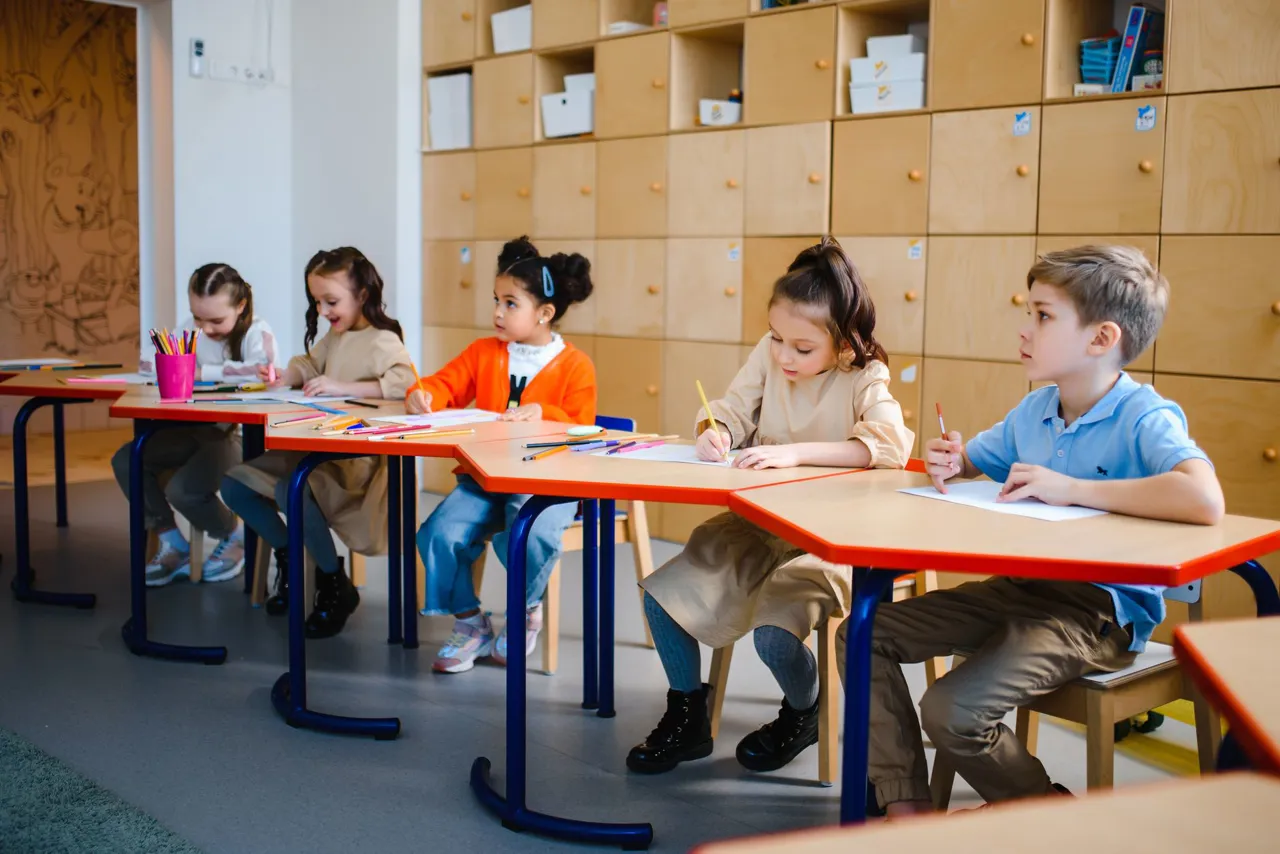
An 18-year study tracking 27,814 pupils in Miami-Dade, Florida, found that attendance at state-school preschool at age four was associated with stronger subsequent academic performance. Researchers compared children in these programmes with those attending childcare centres or home-based care, following their records as they progressed through the state school system. The final cohort completed secondary school in spring 2020.
By third grade, state preschool pupils had the strongest standardised reading and maths scores and overall grades. They were also 35% less likely to repeat the year than pupils from the other groups. Centre-based childcare participants generally outperformed those from home-based settings.
Although attendance at higher-quality primary schools was associated with better average performance, it did not eliminate most differences between the preschool groups. Reading provided an exception: children from childcare centres who subsequently attended stronger primary schools were better able to catch up with their state preschool peers.
The researchers suggest that shared resources and organisational continuity may help explain the advantage. State preschool teachers needed at least a bachelor's degree and a teaching qualification, while other settings required less education at the time. Consistent learning programmes and easily transferred pupil records also supported children moving between schools within the district.
All three settings produced substantial improvements in school readiness, though gains were greatest in state preschools. The researchers caution that state preschool is not a prerequisite for later success. They also report that centre- and home-based provision has improved since the study began in 2002, with rising teacher education levels and more centres gaining formal quality accreditation.