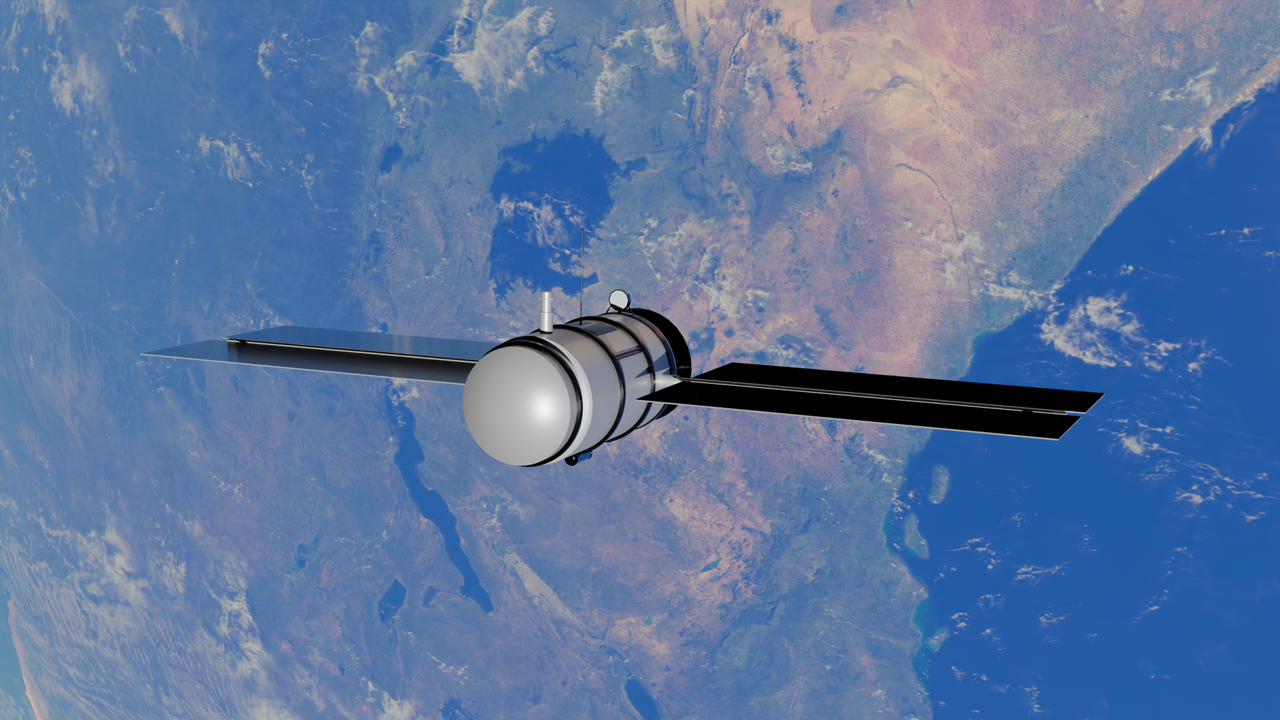
Google’s Project Suncatcher satellite is communicating with Earth after launching in October on a SpaceX Falcon 9 rocket. The experimental project aims to develop data centres in space, where computers could run artificial intelligence systems.
After about three weeks of system checks, engineers asked the satellite’s Gemma 4 AI model to write a haiku, a short poem, about being in space. It generated a response and transmitted it to Earth. Google also tested other poetry requests and asked for information about conditions around the spacecraft.
The satellite carries four specialised AI chips called Tensor Processing Units, or TPUs. However, limited electricity means it can operate only one chip for about 20 minutes at a time. This restriction adds to the difficulty of communicating between space and the ground.
Further tests will examine how the chips cope with heat and radiation in orbit. Radiation can change values stored in computer memory, potentially damaging data without setting off normal monitoring systems. If the chips perform successfully, Google plans to launch two more satellites in 2027. These will generate more power and test optical connections, which use light to exchange information between spacecraft.