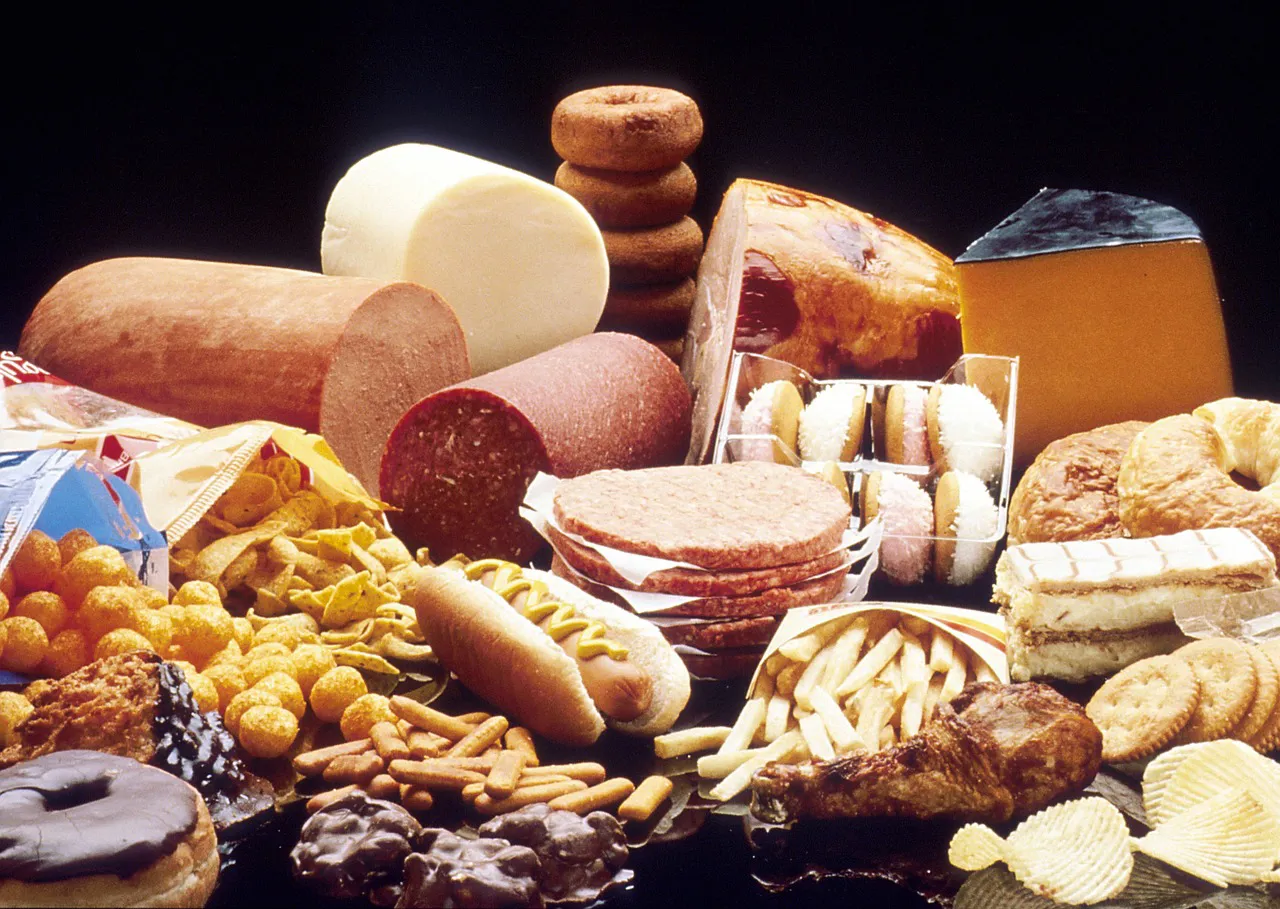
A study of 461,682 Americans found no overall link between eating more ultra-processed food and developing bowel cancer. Ultra-processed foods undergo extensive industrial processing. Participants were aged 50 to 71 when they joined the study in 1995 and 1996. They completed a questionnaire about their eating habits at the start, and researchers followed their health through 2018. The typical follow-up period was 18.8 years.
Although the overall result showed no association, individual food groups presented a different picture. Higher consumption of wholegrain and dairy products from ultra-processed sources was linked to lower bowel cancer rates. Meat from these sources was associated with higher rates. Researchers also calculated the association with replacing some ultra-processed food with less processed alternatives. Replacing 10% of intake by food weight was linked to a 2% lower cancer rate. These findings suggest that a food's nutritional content may be more useful to consider than its processing category alone.
The study has important limitations. Most participants were older, white Americans, so the findings may not apply equally to younger or more diverse populations. Diet was recorded only once, meaning later changes in eating habits could not be taken into account. Because researchers observed people's diets and health rather than testing changes to their food, the study cannot establish that particular foods caused or prevented cancer.